
I remember the first time I stood in the tool aisle of my local hardware store, completely overwhelmed by the wall of saws staring back at me. Each one promised to make my DIY dreams come true, but which one did I actually need? If you’ve ever felt that same confusion, you’re not alone.
Whether you’re building a backyard deck, crafting custom furniture, or just handling basic home repairs, having the right saw can make the difference between a frustrating experience and a satisfying one. In this comprehensive guide, I’ll walk you through everything you need to know about the various types of saws available to DIYers, helping you make informed decisions for your next project.
From classic hand saws that have stood the test of time to modern power tools that make quick work of tough materials, we’ll explore the unique features, best applications, and key considerations for each type. So grab your safety goggles (you’ll definitely need those!), and let’s cut through the confusion together.
Table of Contents
Hand Saws: The Timeless Essentials
Let’s start with the classics. Hand saws have been around for centuries, and for good reason. They’re reliable, portable, and don’t require electricity—making them perfect for quick jobs or working in areas without power access.
1. Crosscut Saw
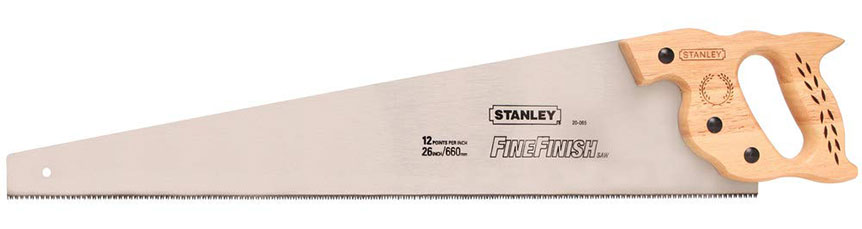
The crosscut saw is designed specifically for cutting across the grain of wood. Its teeth are angled and beveled to sever wood fibers cleanly.
Best for: Cutting boards to length, trimming branches, and general woodcutting tasks
Notable feature: The teeth are designed in a way that allows them to cut on both the push and pull strokes
Suggested product: STANLEY Hand Saw, 11-TPI, 26-Inch (20-065) – A compact panel saw perfect for quick crosscuts with an ergonomic handle for comfort during longer cutting sessions.
2. Rip Saw
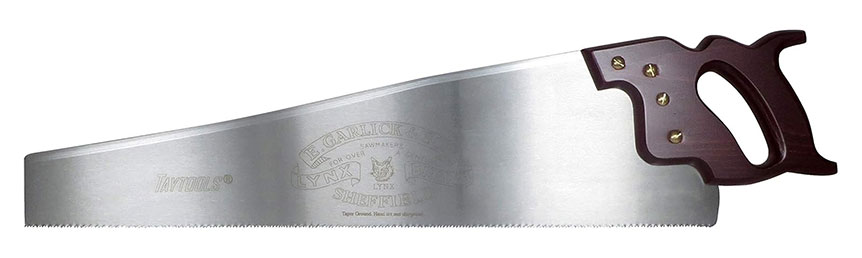
While the crosscut saw’s cousin looks similar at first glance, the rip saw is specifically designed to cut with the grain of wood.
Best for: Cutting along the grain of lumber, ripping boards to width
Notable feature: Larger, chisel-like teeth that remove material effectively when cutting with the grain

Suggested product: Lynx Garlick Thomas Flinn British 20” Rip Saw – Taper-ground saw plate crafted by the UK’s final traditional saw and plane maker, hand-sharpened prior to factory departure, and capable of resharpening.
3. Backsaw
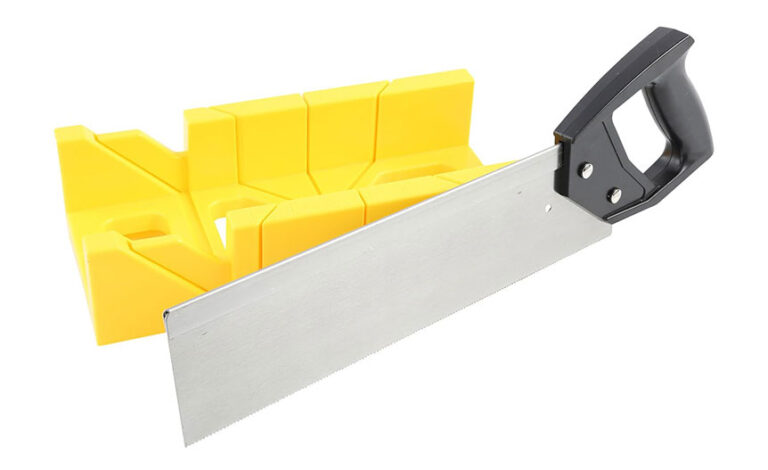
The backsaw features a stiff metal strip along its top edge, which provides rigidity and prevents the blade from bending during precise cuts.
Best for: Fine woodworking, joinery, trim work, and miters
Notable feature: The reinforced spine ensures straight, accurate cuts
Suggested product: GreatNeck 14″ Back Saw – Featuring a reinforced spine for accurate trim and molding cuts, this saw delivers excellent precision for detailed woodworking.
4. Coping Saw
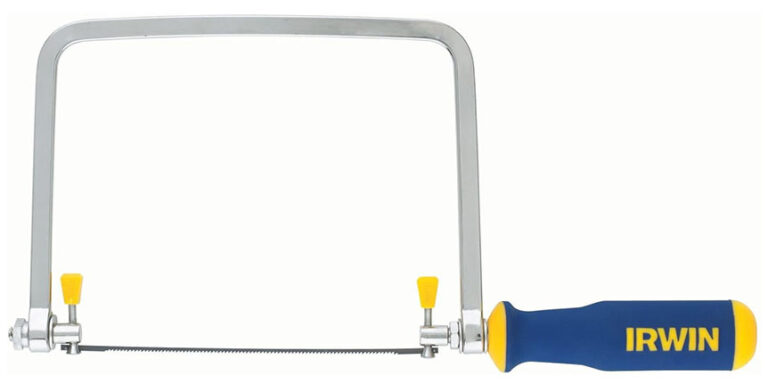
With its C-shaped frame and thin, replaceable blade, the coping saw is all about versatility and intricate cuts.
Best for: Cutting curves, intricate shapes, and coped joints for trim work
Notable feature: The blade can be rotated in the frame to cut at different angles
Suggested product: IRWIN Tools ProTouch Coping Saw – Offers an adjustable blade for detailed scrollwork and comes with a comfortable handle for extended use.
5. Japanese Pull Saw
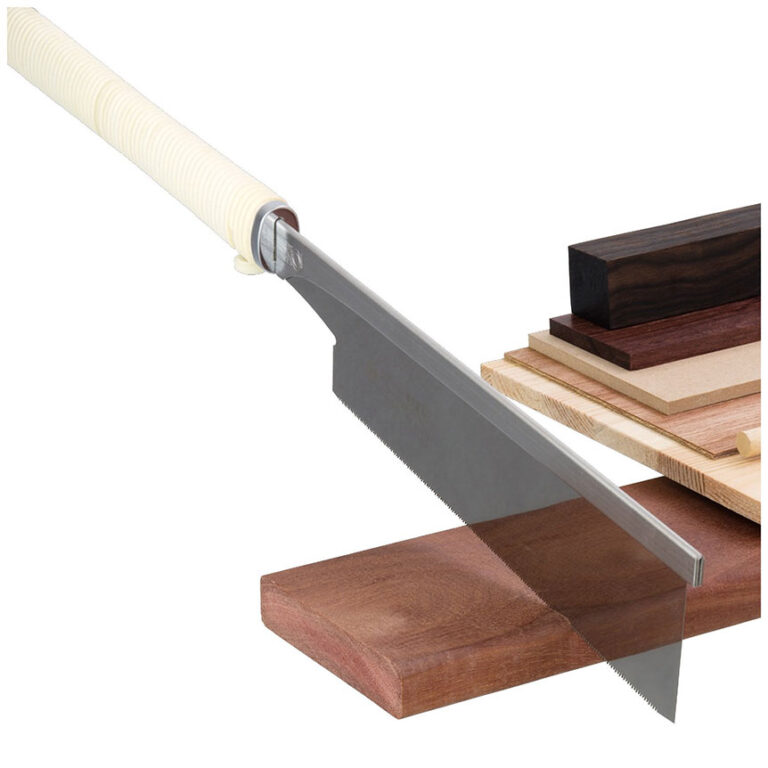
Unlike Western saws that cut on the push stroke, Japanese saws cut on the pull stroke, offering excellent control and thin, precise cuts.
Best for: Fine joinery, flush cutting, and detailed woodworking
Notable feature: Extremely thin blade that makes exceptionally clean cuts with minimal material loss
Suggested product: Gyokucho Sangyo 372 Leather Saw – This dual-edged Japanese pull saw features crosscut teeth on one side and rip teeth on the other, making it a versatile tool for fine woodworking.
6. Bow Saw
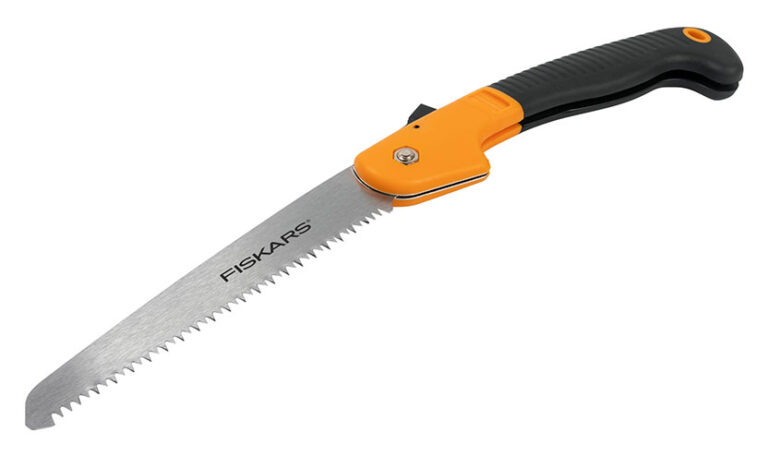
With its thin blade stretched in a bow-shaped frame, this saw makes quick work of rough cuts.
Best for: Cutting branches, pruning trees, and rough carpentry
Notable feature: The large frame allows for cutting thicker materials than most other hand saws
Suggested product: Fiskars 7″ Power Tooth Pruning Saw – Features 3-sided teeth for fast branch pruning and is lightweight enough for extended use in the garden.
Power Saws: Speed and Efficiency for Modern DIYers
While hand saws have their place, power saws dramatically increase efficiency and reduce fatigue for larger projects. Here’s a rundown of the most common power saws you’ll encounter.
7. Circular Saw
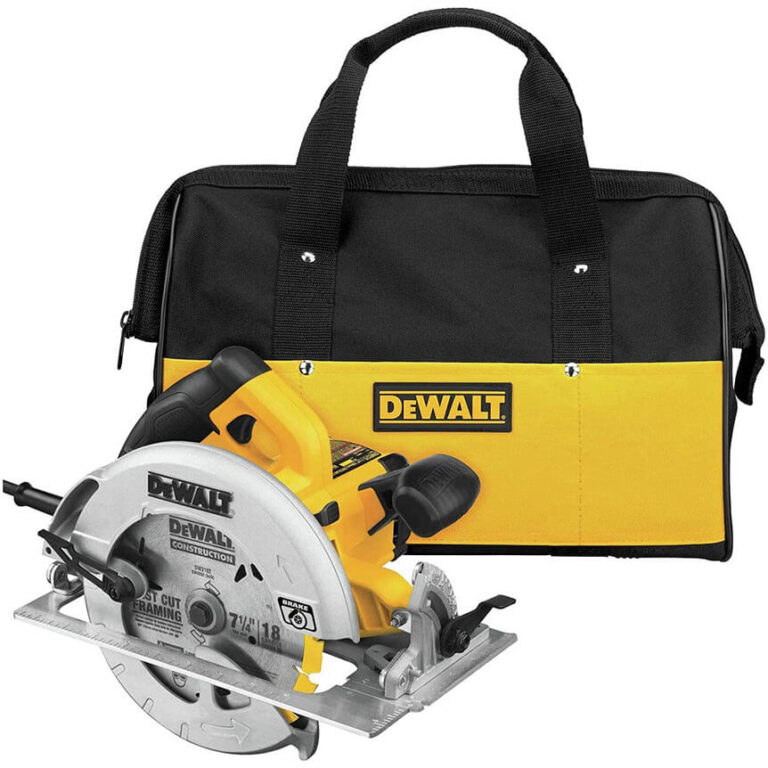
Perhaps the most versatile power saw for DIYers, the circular saw features a round blade that rotates at high speed to make straight cuts through various materials.
Best for: Cutting sheets of plywood, dimensional lumber, and general construction
Notable feature: Adjustable depth and angle settings for versatile cutting options
Suggested product: DEWALT DWE575SB Circular Saw – Lightweight with a 7-1/4″ blade for precise wood cutting; ideal for framing and general construction work.
8. Jigsaw
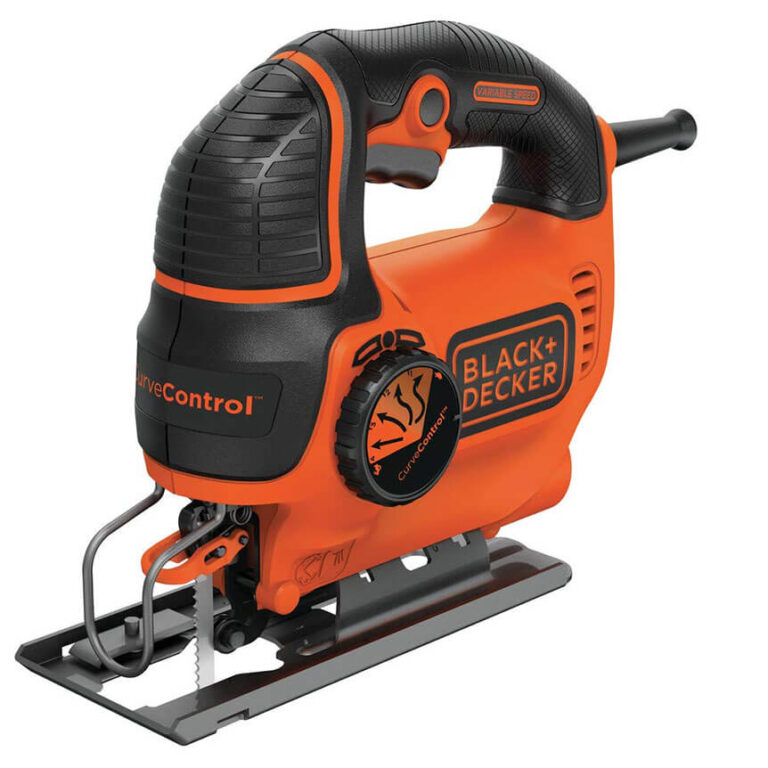
The jigsaw uses a reciprocating blade to make curved and straight cuts in various materials.
Best for: Cutting curves, making interior cutouts, and working with thinner materials
Notable feature: Variable speed control and orbital action settings for different materials
Suggested product: BLACK+DECKER BDEJS600C Jigsaw – This cordless model offers variable-speed control for curves in wood and metal, making it perfect for DIY projects requiring detailed cuts.
9. Miter Saw
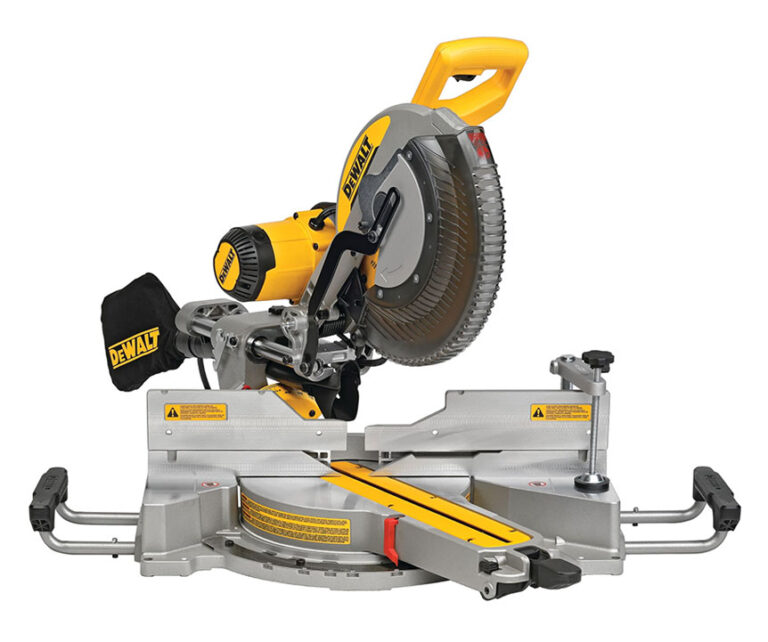
Also called a chop saw, the miter saw excels at making precise angled cuts.
Best for: Trim work, picture frames, crown molding, and angle cuts
Notable feature: Rotating table that allows for precise angle adjustments
Suggested product: DEWALT Double Bevel Sliding Miter Saw – Features dual-bevel sliding action for crown molding and baseboards, with excellent precision for finish carpentry.
10. Table Saw
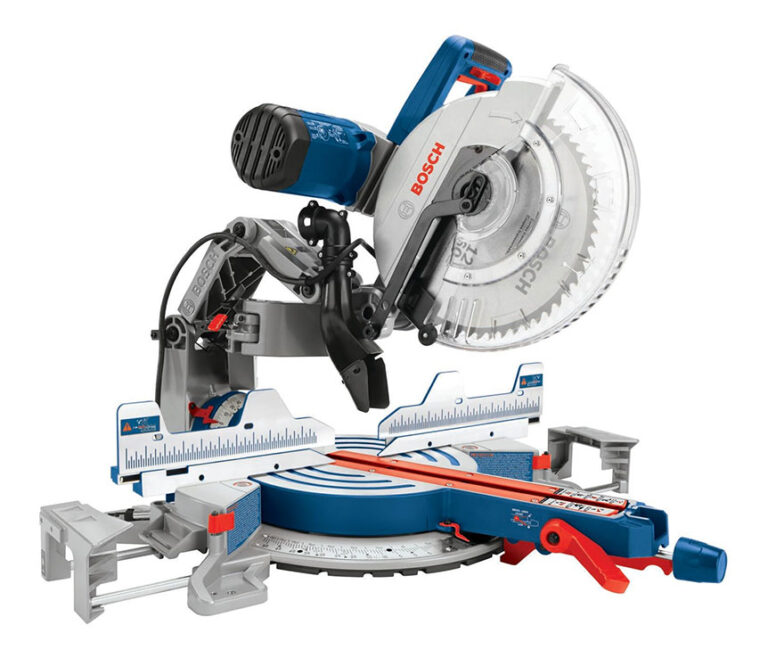
The workhorse of any woodshop, the table saw features a circular blade that protrudes through a flat table surface.
Best for: Ripping boards to width, making precise straight cuts, and handling large pieces
Notable feature: Adjustable fence for guiding material and ensuring straight cuts
Suggested product: BOSCH 12 Inch Corded Dual-Bevel Sliding Glide Miter Saw – This 10-inch blade model comes with a stand for workshop use and offers excellent stability for larger cutting projects.
11. Reciprocating Saw
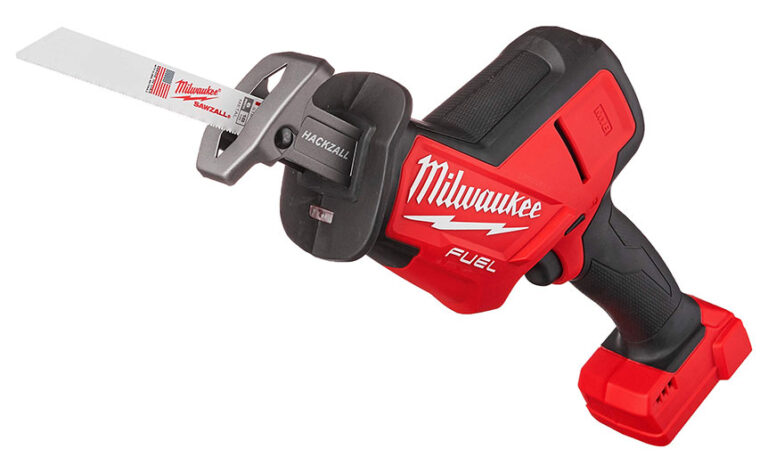
Often called a “Sawzall” (after the popular Milwaukee brand model), this saw features a blade that moves back and forth for aggressive cutting.
Best for: Demolition work, cutting pipes, pruning trees, and remodeling
Notable feature: The long, exposed blade can reach into tight spaces
Suggested product: Milwaukee M18 Fuel Hackzall – A compact reciprocating saw perfect for demolition and plumbing work with excellent battery life.
12. Chainsaw
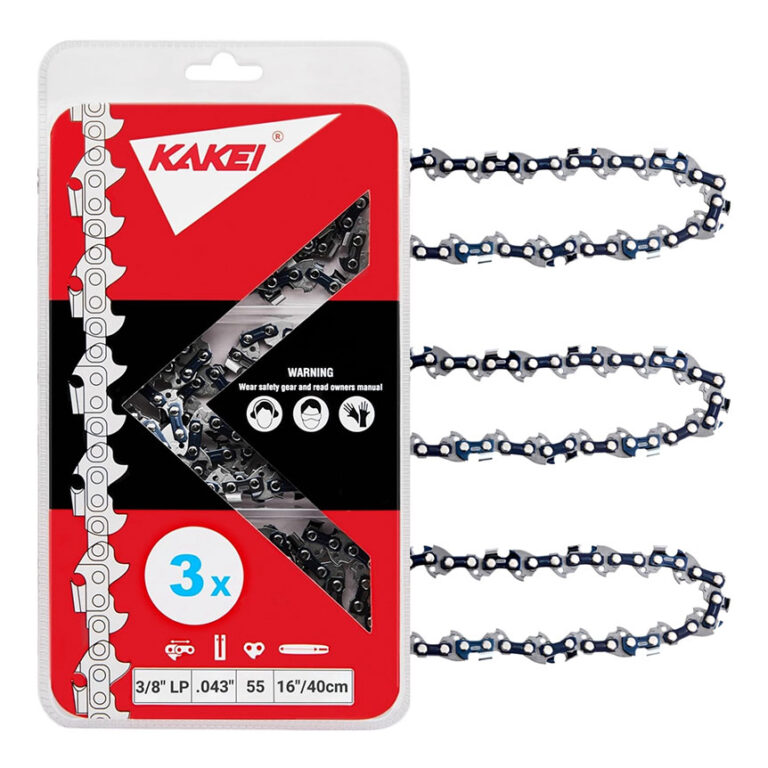
The most aggressive cutting tool in our lineup, chainsaws use a chain of teeth rotating around a guide bar to cut through thick materials.
Best for: Cutting trees, limbs, and large pieces of wood
Notable feature: High power-to-weight ratio for efficient cutting of large materials
Suggested product: KAKEI Stihl MS 170 Chainsaw – This gas-powered, lightweight model is perfect for tree trimming and firewood cutting with reliable performance.
13. Band Saw
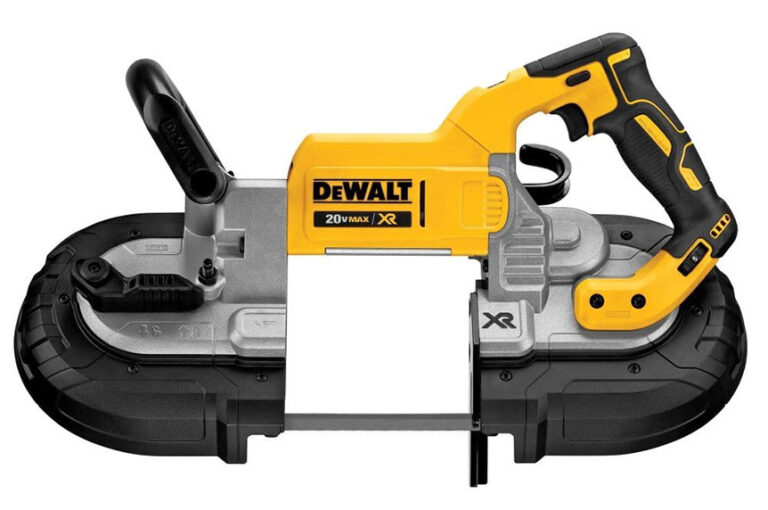
Using a continuous loop of toothed metal, the band saw can make both straight cuts and curves with impressive precision.
Best for: Resawing lumber, cutting curves in thick stock, and precise cutting tasks
Notable feature: Deep cutting capacity compared to other saws
Suggested porduct: DEWALT 20V MAX Band Saw – Equipped with variable speed control and a built-in work light, this robust saw efficiently tackles tough jobs.
14. Scroll Saw
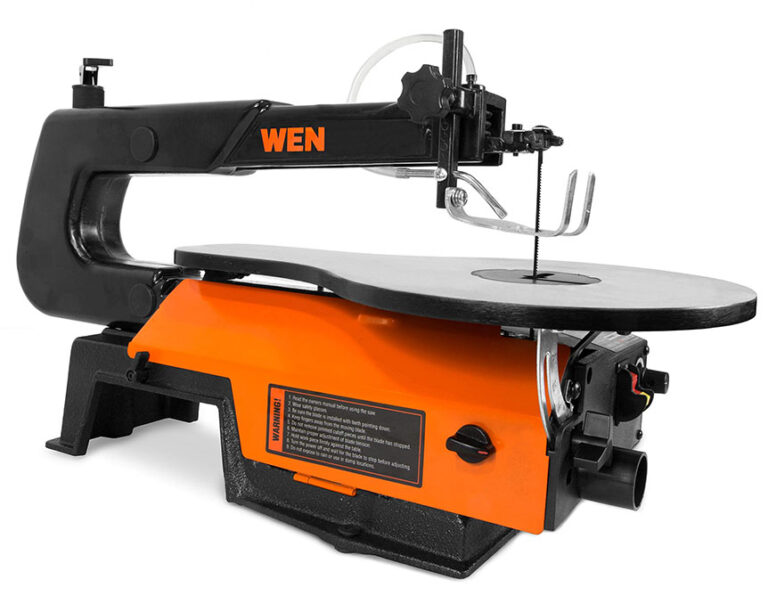
Think of the scroll saw as the precision instrument of power saws, capable of incredibly detailed cuts.
Best for: Intricate cuts, detailed woodworking, and delicate projects
Notable feature: Very thin blade that can be threaded through a drilled hole for interior cutouts
Suggested product: WEN 3922 16-inch Variable Speed Scroll Saw – This 16-inch blade model is perfect for intricate woodworking designs and offers variable speed control for different materials.
15. Track Saw
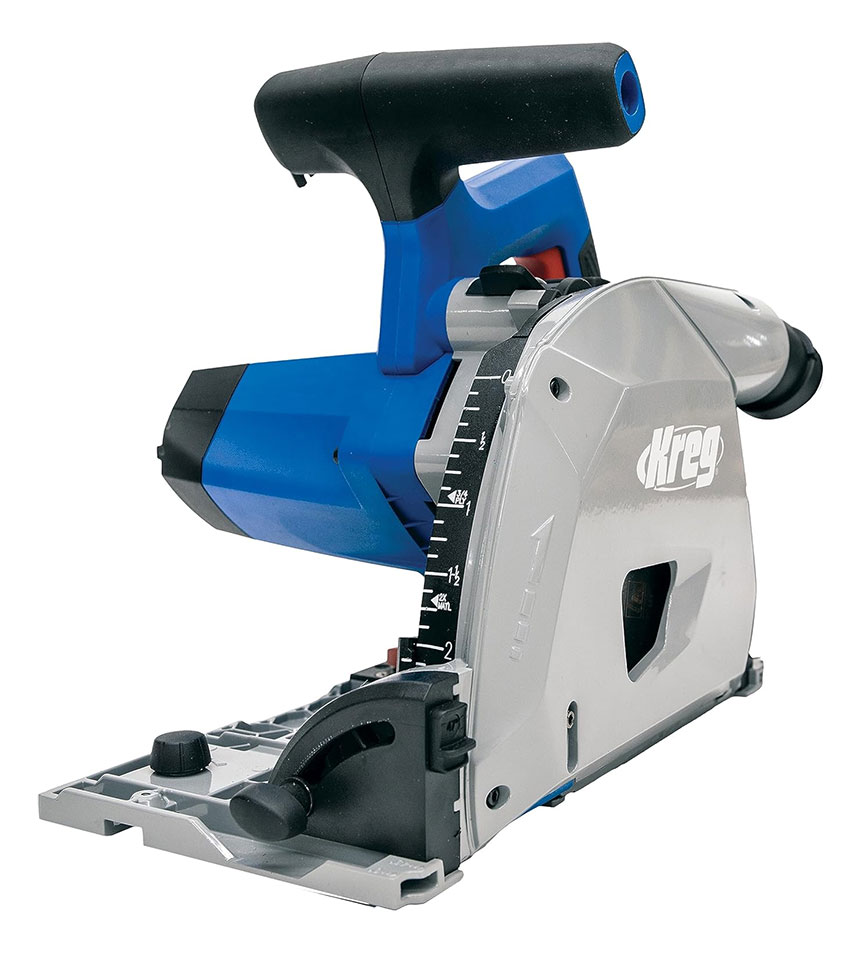
A relatively newer innovation, the track saw combines the portability of a circular saw with the precision of a table saw.
Best for: Breaking down sheet goods with precise, straight cuts
Notable feature: Runs along a dedicated track to ensure perfectly straight cuts
Suggested product: Kreg ACS-SAWBB – Kreg Plunge-Cut Track Saw – The Adaptive Cutting System Plunge-Cut Track Saw ensures precise cuts. It works with the 62″ Guide Track for smooth, splinter-free results in wood and sheet goods.
Specialty Saws: Tools for Specific Applications
Beyond the common hand and power saws, several specialty saws exist for specific materials and applications.
16. Tile Saw
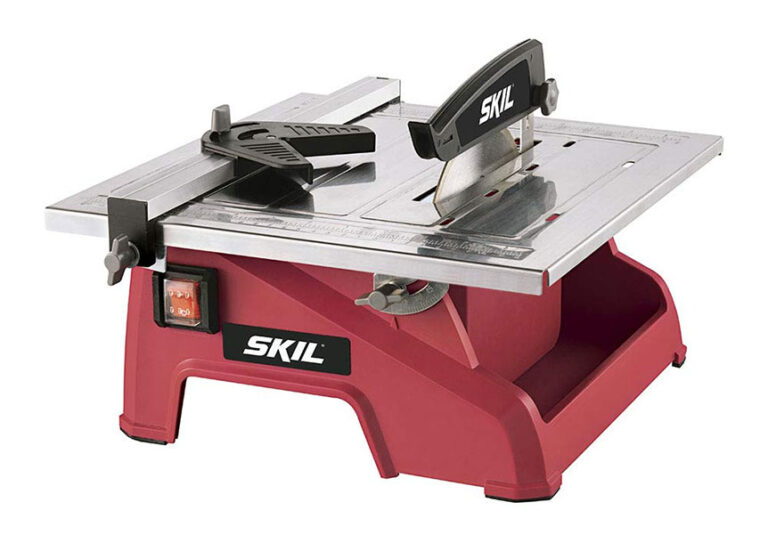
Designed to cut through ceramic, porcelain, and stone tiles with precision.
Best for: Bathroom renovations, kitchen backsplashes, and tiling projects
Notable feature: Water cooling system that prevents dust and keeps the blade from overheating
Suggested product: SKIL 3540-02 Wet Tile Saw – Features a 7-inch diamond blade for precise ceramic and stone cuts with a water reservoir to keep dust down.
17. Oscillating Multi-Tool
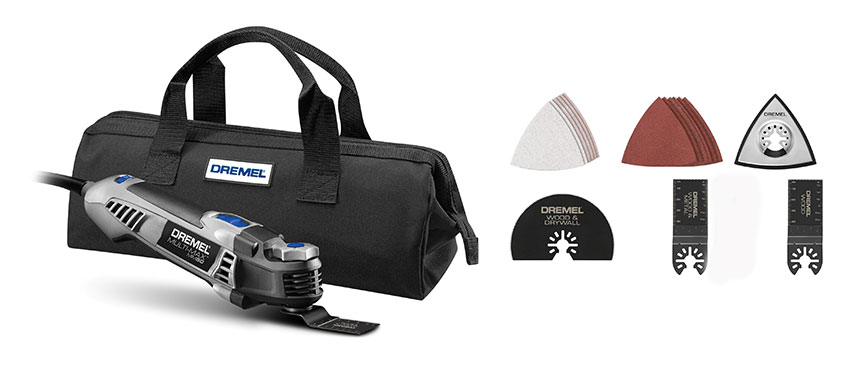
While not exclusively a saw, the oscillating multi-tool often includes saw attachments for flush cutting and detail work.
Best for: Flush cutting, detail work, cutting in tight spaces
Notable feature: Interchangeable attachments for various cutting and sanding tasks
Suggested product: Dremel Ultra-Saw Multi-Tool – Perfect for drywall, flooring, and PVC with multiple blade options for various materials.
18. Hacksaw
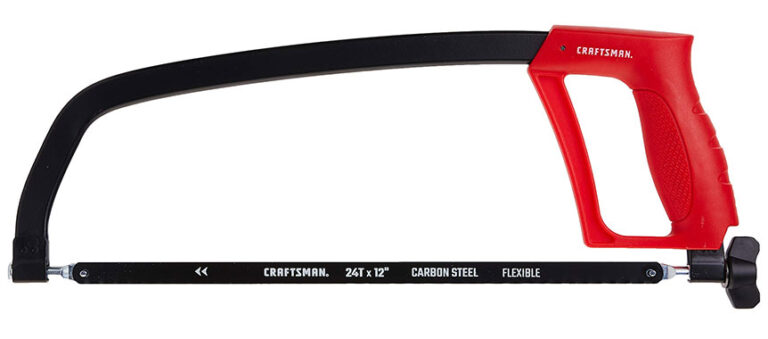
With its fine-toothed blade stretched in a C-shaped frame, the hacksaw is designed for cutting metal.
Best for: Cutting pipes, rods, bolts, and other metal materials
Notable feature: Replaceable blades with various teeth-per-inch (TPI) options for different metals
Suggested product: CRAFTSMAN 12-Inch Hacksaw – Choose from various saws: 15-inch and 20-inch hand saws, a 10-inch fine-finish saw for wood, plastic, and laminate, a 12-inch hacksaw, and adjustable miter boxes for precision cuts.
19. Hole Saw
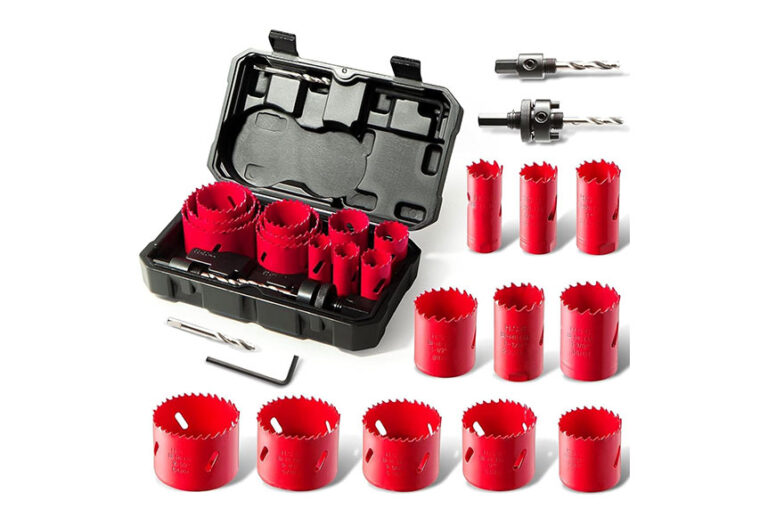
Attached to a drill, hole saws cut perfect circles in various materials.
Best for: Creating holes for plumbing fixtures, recessed lighting, and door hardware
Notable feature: Available in various diameters for different applications
Suggested product: HYCHIKA 17 Pcs Bi-Metal Hole Saw Kit – HYCHIKA saw blades feature bimetallic construction with a high hardness cutting edge (69~81 HRC) made of 2 mm thick hard alloy steel. They offer wear resistance, improved toughness, and extended durability.
20. Flooring Saw
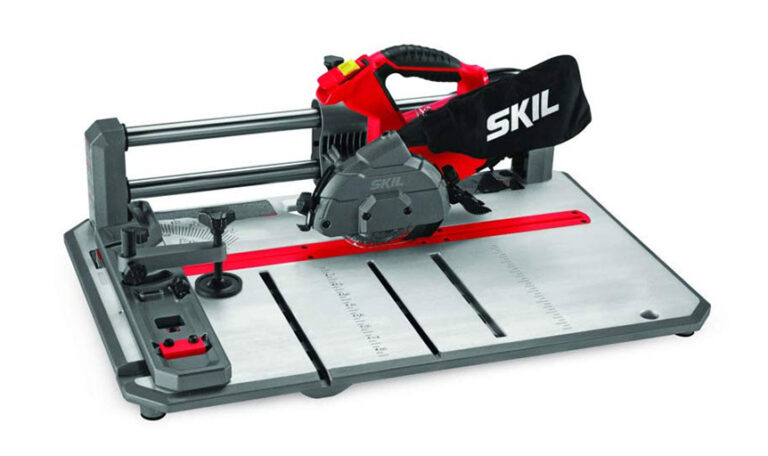
Specifically designed for cutting laminate, engineered wood, and vinyl flooring.
Best for: Installing flooring materials with precision cuts
Notable feature: Designed to minimize dust and prevent chipping of finished surfaces
Suggested product: SKIL 3601-02 Flooring Saw – The compact SKIL model 3601 combines miter and table saw capabilities, enabling cuts right where you install flooring. Durable, lightweight, and portable, it simplifies and accelerates wood floor installation for DIYers and specialists.
Choosing the Right Saw for Your Project
Now that we’ve covered the main types of saws available, let’s discuss how to select the right one for your specific needs.
Consider Your Project Requirements
Before purchasing any saw, ask yourself these questions:
- What materials will I be cutting most often?
- Do I need to make straight cuts, curved cuts, or both?
- How precise do my cuts need to be?
- Will I be working in an area with power access?
- How portable does the saw need to be?
Beginner-Friendly Options
If you’re just starting your DIY journey, consider these versatile options:
- Jigsaw: Great for both straight and curved cuts in various materials
- Circular Saw: Excellent for straight cuts in lumber and sheet goods
- Miter Saw: Perfect for precise angle cuts and trim work
These three saws will handle most basic home improvement projects and are relatively safe and easy to master.
Build Your Collection Over Time
Rather than buying everything at once, consider starting with one or two versatile saws and expanding your collection as your skills and project needs grow. Many experienced DIYers recommend this progression:
- Start with a quality jigsaw and circular saw
- Add a miter saw when you begin doing trim work
- Consider a table saw when you move to more advanced woodworking
- Add specialty saws as specific project needs arise
Quality vs. Budget Considerations
While professional-grade tools offer better performance and durability, they come with higher price tags. Consider:
- Occasional Use: For infrequent DIY projects, budget-friendly options may suffice
- Regular Use: If you’ll use your saws frequently, investing in better quality tools will save money in the long run
- Cordless Options: Battery-powered saws offer convenience but may have less power than corded versions
Suggested product: SKIL 5280-01 Circular Saw – A budget-friendly option with a laser guide for straight cuts, perfect for DIYers just starting out.
Safety First: Essential Gear and Practices
Working with saws requires proper safety precautions to prevent injuries.
Essential Safety Gear
Never operate a saw without these basics:
- Safety Glasses/Goggles: Protect your eyes from flying debris
- Hearing Protection: Essential for loud power saws
- Dust Mask/Respirator: Prevents inhalation of harmful particles
- Work Gloves: For handling materials (remove when operating some power tools)
Safety Best Practices
Follow these guidelines for safe saw operation:
- Always read and follow the manufacturer’s instructions
- Ensure proper support for the material being cut
- Keep blades sharp and properly tensioned
- Maintain firm control of the saw at all times
- Never remove safety guards
- Disconnect power before changing blades or making adjustments
- Keep your work area clean and well-lit
Suggested image: DIYer wearing complete safety gear while operating a saw
Saw Maintenance and Care
Proper maintenance extends the life of your saws and ensures optimal performance.
Blade Care
- Regular Cleaning: Remove pitch, resin, and other debris
- Proper Storage: Keep blades protected when not in use
- Timely Replacement: Replace dull or damaged blades promptly
Tool Maintenance
- Regular Inspection: Check for loose parts or damage
- Lubrication: Apply as recommended by the manufacturer
- Proper Storage: Store in a dry, clean environment
Read more on: Top 5 High-Speed Blenders for Perfect Smoothies.
FAQ: Your Saw Questions Answered
1. What are the main differences between hand saws and power saws?
Hand saws require manual effort but offer excellent control and don’t need electricity. They’re quieter, often more portable, and generally less expensive. Power saws, on the other hand, make cutting faster and less physically demanding. They can handle larger materials and make repetitive cuts with consistent results. The choice often comes down to the project size, your budget, and whether you have access to electricity.
2. Which saw is best for cutting curves in wood?
For cutting curves in wood, coping saws and jigsaws are your best options. Coping saws are hand-powered and excellent for intricate curves in thinner materials, while jigsaws provide power assistance for faster cutting in a wider range of thicknesses. For extremely detailed work in thin materials, a scroll saw offers unparalleled precision.
3. How do I choose between a circular saw and a miter saw?
Choose a circular saw when you need versatility and portability for making straight cuts in various materials. They’re ideal for job sites and cutting sheet goods. Select a miter saw when precision angled cuts are your priority, especially for trim work, molding, and picture frames. While circular saws can make angled cuts, miter saws do this with far greater accuracy and convenience.
4. What safety gear is essential when using power saws?
Essential safety gear includes eye protection (safety glasses or goggles), hearing protection (earplugs or earmuffs), respiratory protection (dust mask or respirator), and appropriate clothing (no loose items that could get caught). For some saws like chainsaws, additional gear such as chaps, face shields, and cut-resistant gloves may be necessary.
5. How often should I sharpen or replace saw blades?
The frequency depends on usage, materials cut, and blade quality. Generally, hand saw blades need sharpening every 6-12 months with regular use. Power saw blades typically last 3-6 months of regular use before requiring replacement or sharpening. Signs that it’s time include increased effort needed to cut, burn marks on wood, and rough cut edges.
6. Can one saw handle both wood and metal cutting?
While specialized saws perform better, some saws can handle both wood and metal with the appropriate blades. Hacksaws and reciprocating saws are particularly versatile when equipped with the right blades. Jigsaws can also cut both materials when fitted with appropriate blades, though the results may not be as clean as with dedicated tools.
7. What’s the difference between a rip saw and a crosscut saw?
Rip saws are designed to cut with the wood grain (like splitting wood fibers), while crosscut saws cut across the grain (severing wood fibers). The key difference is in the tooth design: rip saw teeth are like chisels that remove material along the grain, while crosscut saw teeth are like knives that slice through fibers across the grain.
8. Are cordless saws as powerful as corded ones?
Modern cordless saws, especially those with 20V+ batteries, have nearly closed the gap with corded models for most DIY applications. However, for extended use or cutting very dense materials, corded saws still hold an advantage in consistent power delivery. The technology continues to improve, with newer cordless models approaching or matching corded performance.
9. Which saw is best for DIY home projects?
For most DIY home projects, a jigsaw and circular saw make an excellent starting pair. They’re versatile, relatively affordable, and handle a wide range of cutting tasks. A jigsaw can make straight, curved, and interior cuts in various materials, while a circular saw excels at straight cuts in lumber and sheet goods.
10. What’s the best saw for cutting thick tree branches?
For thick tree branches, a chainsaw is the most efficient option for branches over 3 inches in diameter. For medium-sized branches (1-3 inches), a reciprocating saw with a pruning blade works well. For smaller branches, a bow saw or pruning saw provides excellent control with less danger than power options.
The Right Blade Makes All the Difference
No matter which saw you choose, using the correct blade for your material and cut type dramatically impacts your results.
Wood Cutting Blades
- Fewer teeth per inch (TPI): Faster cuts but rougher finish
- More teeth per inch: Slower cuts but smoother finish
- Rip blades: Designed for cutting with the grain
- Crosscut blades: Optimized for cutting across the grain
Metal Cutting Blades
- High TPI: Essential for clean cuts in metal
- Bi-metal blades: Durable option for cutting various metals
- Diamond or carbide-tipped: For extremely hard materials
Specialty Blades
- Diamond blades: For tile, stone, and masonry
- Plywood blades: Designed to minimize splintering in veneered materials
- Laminate blades: Reverse tooth design to prevent chipping
Suggested image: Collection of different blade types with clear labeling
Conclusion
The world of saws is vast and varied, but with this guide in hand, you’re well-equipped to make informed decisions about which tools will best serve your DIY needs. Remember that the perfect saw is the one that matches your specific project requirements, skill level, and budget.
Whether you’re making your first cuts with a basic hand saw or expanding your workshop with specialized power tools, practice, patience, and proper technique will lead to success. And don’t forget—safety should always be your top priority.
Ready to start your next project with confidence? Head to your local hardware store armed with this knowledge, or explore online options for the best deals on quality tools. Your perfect saw awaits, and with it, endless possibilities for creating, fixing, and building.
What will you make first?

Ready to start your next project with confidence?
Head to your local hardware store armed with this knowledge, or explore online options for the best deals on quality tools. Your perfect saw awaits, and with it, endless possibilities for creating, fixing, and building.
Share your creations or questions in the comments below – I’d love to hear about your sawing adventures! What will you make first?
Disclaimer: This article might contain affiliate links, meaning we may earn a commission if you click through and make a purchase at no extra cost to you.










1 thought on “Types of Saws: A Comprehensive Guide for DIYers”